Is a Matte Finish Best? Everything You Need to Know About Sandblasted Stainless Steel
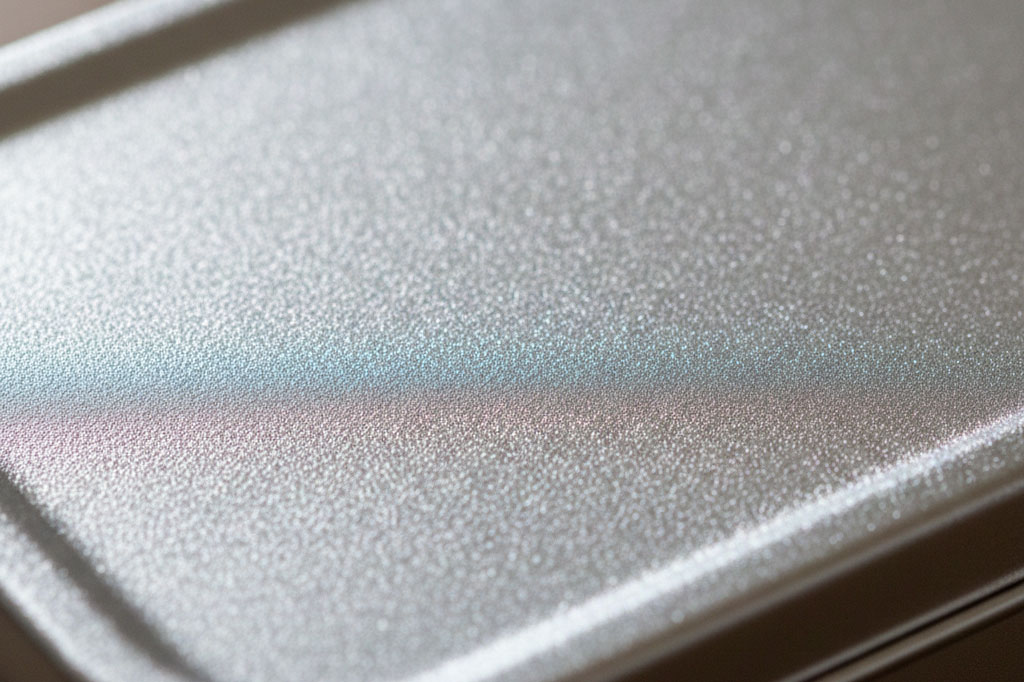
Sandblasting is a process that uses compressed air as power to spray abrasives (such as glass beads, quartz sand, or metal grit) at high speeds onto the stainless steel surface. This high-speed impact creates microscopic pits, transforming the originally reflective metal into a uniform, soft matte visual effect.
Core Advantages
Superior Fingerprint Resistance: Compared to mirror finishes, sandblasted surfaces scatter light effectively. This makes oily fingerprints nearly invisible to the naked eye—a major relief for those who value a clean look.
Understated Texture: By eliminating harsh metallic glares, it offers a warm, subtle, and premium industrial aesthetic that fits perfectly in minimalist or Nordic-style kitchens.
Hiding Minor Defects: The process effectively masks uneven material grains or slight scratches caused during the manufacturing process.
Enhanced Grip: The microscopic textured structure increases surface friction, providing a more secure and stable grip when used on cutlery handles.
Main Disadvantages
Cleaning Depth: While it doesn’t show dirt easily, the tiny pits can trap deep-seated grease over time. If left uncleaned, stains may get embedded in the “pores,” requiring a brush or specific cleaning agents to remove.
Tactile Preference: Some users may find the fine granular texture unpleasant, describing the sensation as a “nails on a chalkboard” type of cold friction.
Difficulty in Repair: Once the surface suffers a deep scratch, it is nearly impossible to repair through localized buffing (unlike a brushed finish), which can result in noticeable patches or color inconsistencies.