Does Stainless Steel Rust? The Surprising Truth You Need to Know
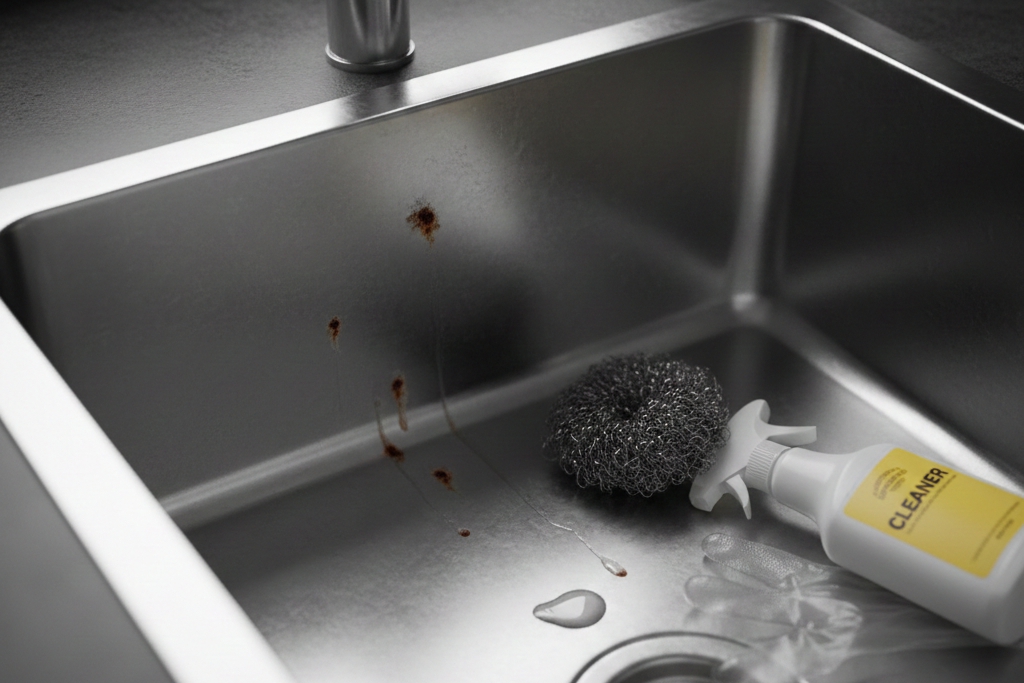
When choosing materials for kitchen appliances, outdoor furniture, or industrial tools, stainless steel is often the top pick because of its reputation for being “rust-proof.” But if you’ve ever spotted a reddish-brown stain on your “stainless” sink, you might be wondering: Can stainless steel actually rust?
The short answer is: Yes, it can. While it is highly resistant to corrosion, it is not entirely invincible.
Why Stainless Steel Doesn’t Usually Rust
The secret to its “stainless” nature lies in its chemical composition. Unlike regular carbon steel, stainless steel contains at least 10.5% chromium.
When chromium reacts with oxygen in the air, it forms a microscopic, invisible layer called the passive layer (Chromium Oxide). This layer acts as a shield, protecting the iron underneath from moisture and oxygen. If the surface is scratched, this layer can actually “self-heal” in the presence of oxygen.
What Causes Stainless Steel to Rust?
If the passive layer is damaged and cannot reform, corrosion begins. Here are the three most common culprits:
Chlorides and Salt: Exposure to salt (common in coastal areas) or harsh cleaning chemicals like bleach can eat through the protective layer, leading to “pitting corrosion.”
Mechanical Damage: Scratches from steel wool or wire brushes can embed carbon steel particles into the surface, which then rust and spread.
Low Oxygen Environments: Since the passive layer needs oxygen to heal, if the steel is covered by dirt, grime, or standing water for too long, it may begin to oxidize.