Why is 304 stainless steel referred to as food-grade material?
304 stainless steel is widely considered the “gold standard” for food-grade materials due to its unique chemical composition and physical properties. Here is an analysis of why it earns this designation.
Chemical Composition and Corrosion Resistance
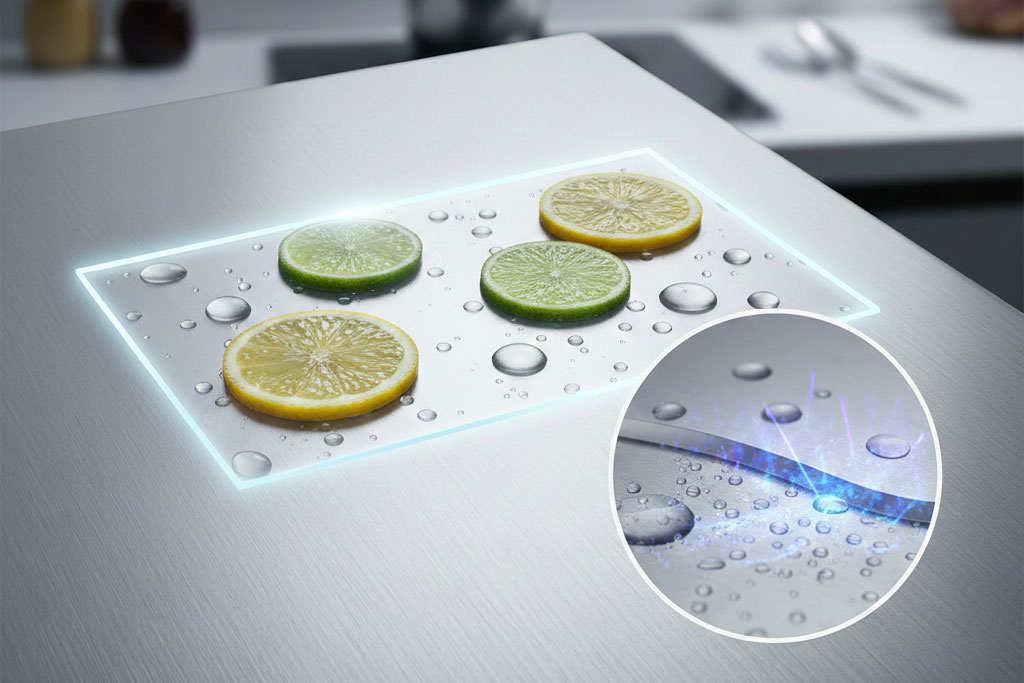
The primary reason 304 stainless steel is food-safe is its high chromium (18%) and nickel (8%) content. This specific alloy creates a dense, self-healing passive oxide layer on the surface. This layer prevents the metal from reacting with food acids (like citric or acetic acid) and moisture, ensuring that no harmful metallic ions leach into your meals.
Hygiene and Surface Integrity
From a microbiological perspective, 304 stainless steel is non-porous. Unlike plastic or wood, it does not have microscopic pores or cracks where bacteria and biofilms can hide. This makes it:
Easy to Sanitize: It can withstand high-temperature sterilization and harsh detergents without degrading.
Neutral Flavor: It does not absorb odors or transfer a “metallic taste” to food.
Durability and Safety Standards
To be officially “food grade,” a material must meet standards like ASTM A240. 304 stainless steel excels here because it is physically robust—it won’t chip, flake, or break, which prevents physical contaminants from entering the food supply chain.
| Feature | Benefit for Food Safety |
| Chromium/Nickel Alloy | Prevents rust and chemical leaching. |
| Non-porous Surface | Inhibits bacterial growth and simplifies cleaning. |
| Thermal Stability | Safe for both boiling and freezing temperatures. |