Mirror Polishing for Stainless Steel Cookware
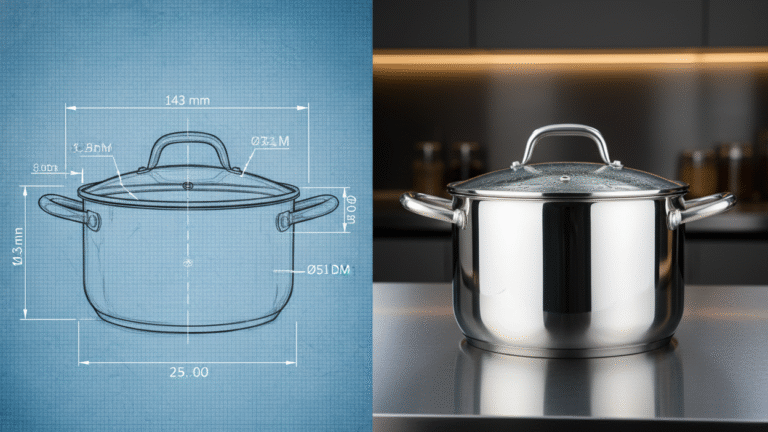
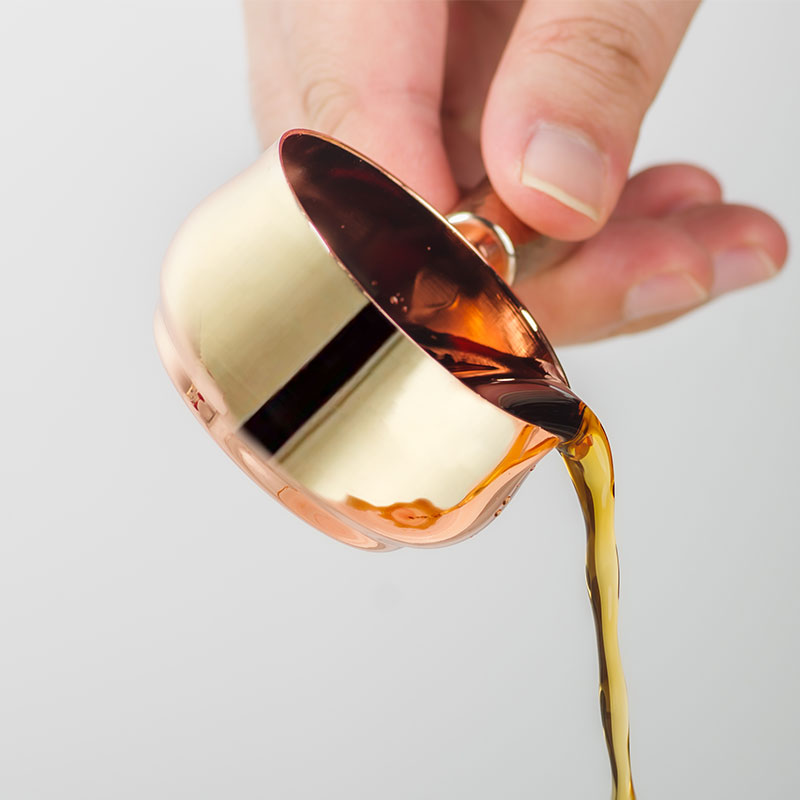
Mirror Polishing (also known as “8K finish”) is a surface treatment process that reduces the roughness of the stainless steel surface through physical or chemical means until it is as bright and reflective as a mirror.
Core Process
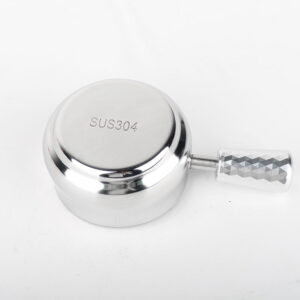
In the cookware industry, mechanical polishing is the most common method, involving three main stages:
Rough Grinding: Using hard abrasive wheels to remove oxide scales and welding marks.
Intermediate Grinding: Using finer grit wheels to smooth the surface and eliminate coarse scratches.
Fine Polishing: Using soft cloth or hemp wheels with polishing wax at high speeds to achieve a high-gloss, reflective finish.
Pros and Cons
| Category | Pros | Cons |
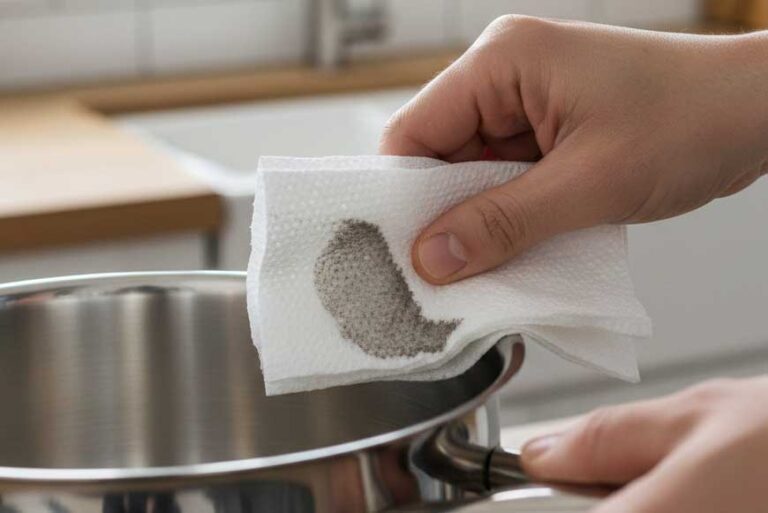
| Aesthetics | Premium Look: Bright and elegant; creates a sense of space and high-end quality. | Visibility of Smudges: Fingerprints, water spots, and grease are highly visible. |
| Hygiene | Easy to Clean: The ultra-smooth surface prevents bacteria and food particles from sticking. | Susceptible to Scratches: Scratches from steel wool or hard utensils are very prominent and hard to repair. |
| Performance | Corrosion Resistance: High smoothness leaves fewer places for acid/alkali residues to settle. | Light Pollution: Can cause distracting glare or reflections under strong kitchen lighting. |
| Cost | Mature Process: Efficient for mass production with well-established technology. | High Maintenance: Requires frequent wiping and specific cleaners to maintain the “mirror” look. |
Summary:
Mirror-polished finishes are ideal for those who prioritize a modern, high-aesthetic kitchen. If you enjoy a “like-new” sparkle and don’t mind regular cleaning, this is a great choice. However, if you prefer durability and low maintenance, a brushed (satin) finish may be more practical.