Brushed vs. Satin Finish for Stainless Steel Kitchenware
Both Brushed and Satin finishes are achieved through mechanical abrasion to create a non-reflective, matte texture on the metal surface.
1. Process Overview
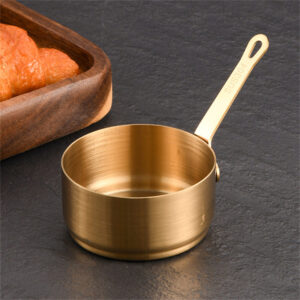
Brushed Finish: Created by rubbing the steel with an abrasive material (like a scouring pad) in a linear motion. This produces distinct, parallel long-grain lines with a visible “direction.”
Satin Finish: Features a finer, denser texture with no obvious directionality (appearing more like a microscopic mist or “frosted” look). It uses finer abrasives to achieve a silky, soft luster.
2. Pros
Scratch & Wear Resistance: The matte surface effectively hides minor scratches caused by daily cleaning or collisions. Any damage blends into the existing grain rather than standing out as it would on a mirror finish.
Fingerprint & Smudge Resistance: These finishes are much better at masking fingerprints and water spots, requiring less frequent polishing to look clean.
Aesthetic Appeal: They reduce glare and light reflection, providing a sophisticated, modern industrial look that complements contemporary kitchen designs.
3. Cons
Cleaning Depth: While they hide stains well, the microscopic grooves (especially in deeper brushed textures) can trap grease. You must wipe along the grain to clean them thoroughly.
Slightly Lower Corrosion Resistance: The textured surface increases the microscopic surface area. If the finish is poor, acidic or salty residues trapped in the grooves may lead to “surface rust” more easily than on a perfectly smooth mirror surface.
Recommendation: If you cook frequently and prioritize practicality and durability, a brushed or satin finish is generally superior to a mirror finish.